

SMALL AIRPORTS, BIG IMPACT: THE ROLE OF ESSENTIAL AIR SERVICE ROUTES
 24
24
)


While major hubs see the most air traffic, small airports remain vital lifelines for hundreds of communities. Through the U.S. Department of Transportation’s Essential Air Service (EAS) program, regional connectivity continues to power local economies, sustain critical services, and strengthen social and business ties across the country.
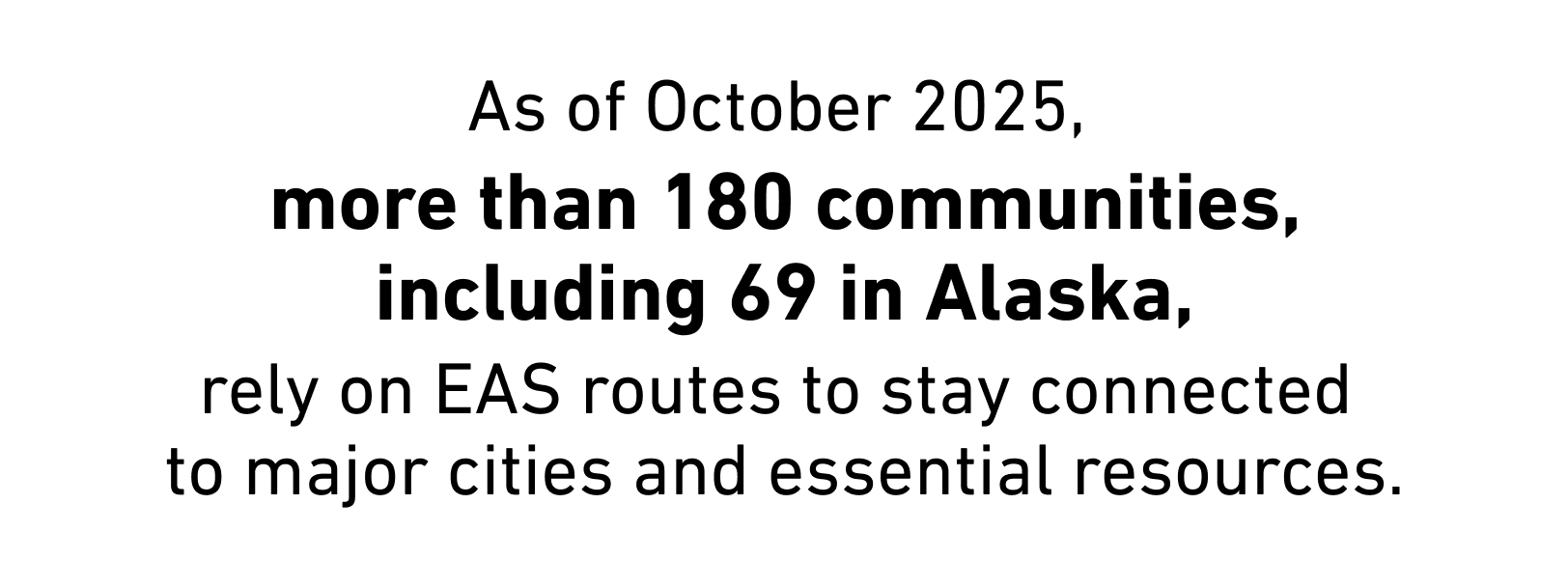
Since its creation in 1978 under the Airline Deregulation Act, the EAS program has ensured that smaller communities retain access to the national air network. As of October 2025, more than 180 communities, including 69 in Alaska, rely on EAS routes to stay connected to major cities and essential resources.
In 2025, the program accounted for nearly $688 million in federal funding, highlighting the ongoing commitment to balanced, inclusive air access. According to the Regional Airline Association (RAA), commercial air service at EAS airports had an economic impact of $2.3 billion and supported more than 17,000 U.S. jobs.
THE PILLAR OF REGIONAL CONNECTIVITY
EAS goes beyond basic connectivity. The introduction of the Alternative Essential Air Service (AEAS) and Small Community Air Service Development Program (SCASDP) has provided smaller airports with options for customized solutions, ranging from start-up route support to marketing and financial assistance. Together, these initiatives help local economies grow, attract new investment, and strengthen tourism opportunities.
A STEP FORWARD FOR SMALL COMMUNITIES
Long-time EAS provider SkyWest Airlines has been instrumental in redefining what regional travel can look like. Each new route represents more than convenience; it’s an investment in economic development, tourism, and quality of life for residents.
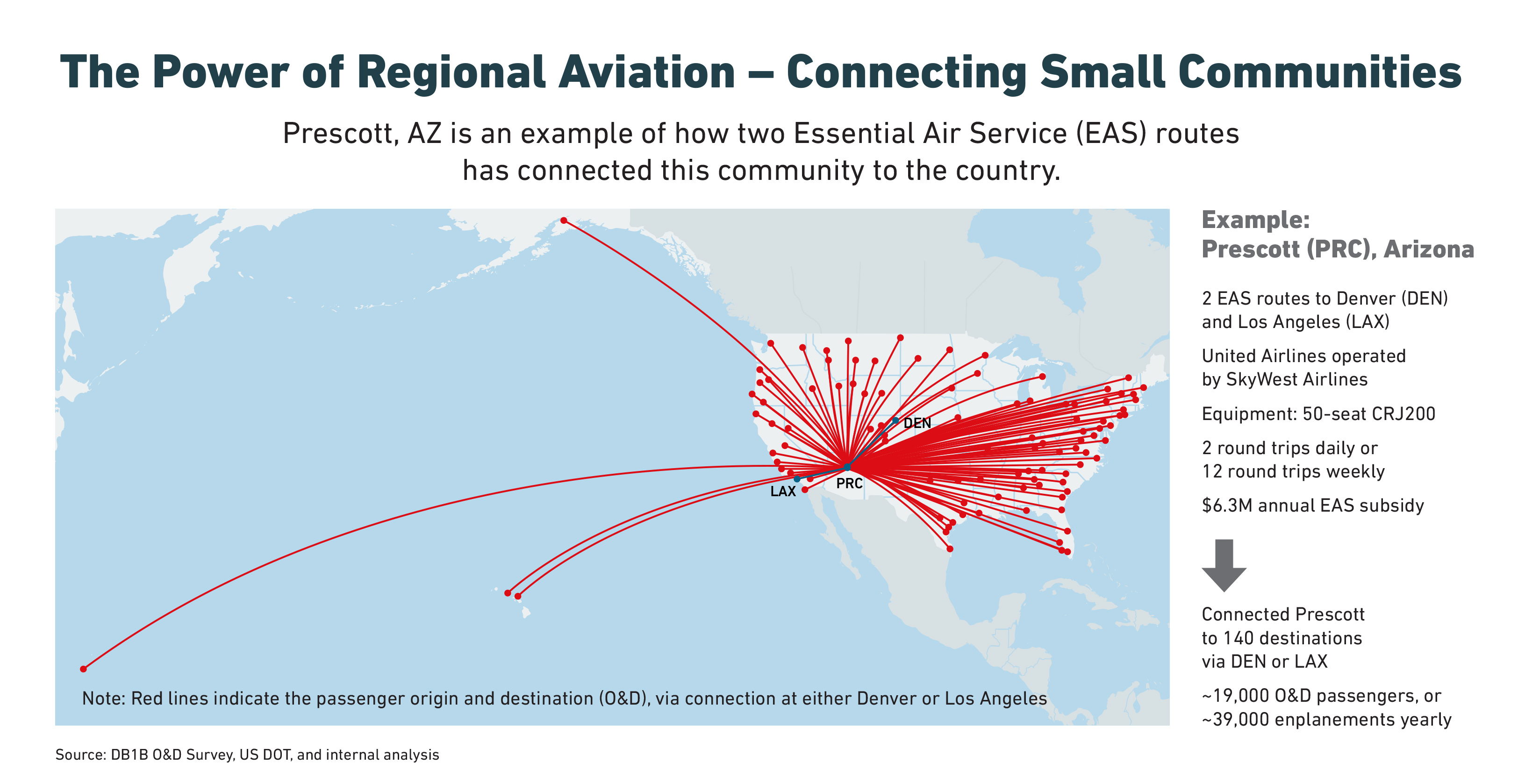
Here is a good example of the power of the EAS: Prescott (PRC), Arizona, has two (2) EAS routes to Denver (DEN) and Los Angeles (LAX), operated by United Airlines through SkyWest Airlines, using the 50-seat CRJ200. Two (2) daily round-trips, totalling twelve (12) weekly round-trips, connecting Prescott to 140 destinations via DEN or LAX, serving approximately 19,000 origin-and-destination (O&D) passengers annually.
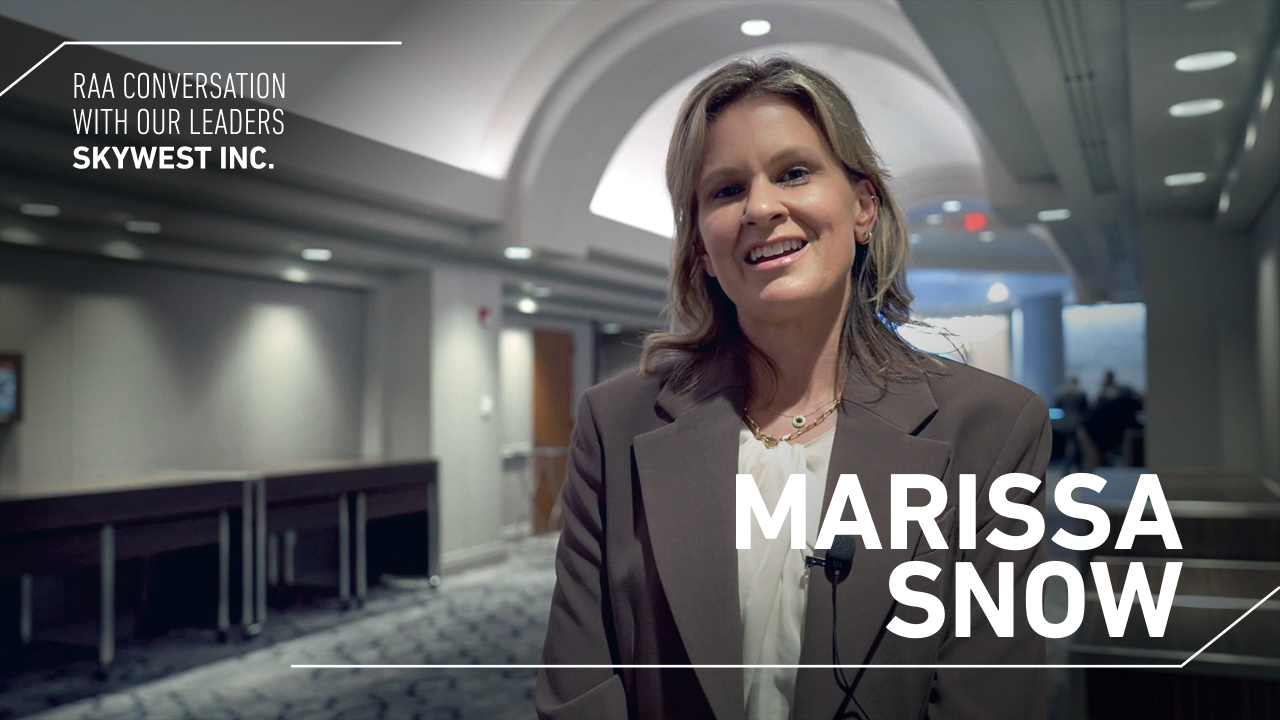
Marissa Snow, Managing Director of Communications, SkyWest, explains: “It’s the essential uplink to the national aviation transportation infrastructure. We have several communities that we do serve under the EAS, and the objective is to grow the demand so they are self-sustaining and can maintain their safe, reliable air service beyond the program."
In the video below, Marissa Snow shares her perspective on the role of Essential Air Service in regional connectivity.
- Log in to post comments