

CONVERSATIONS WITH INDUSTRY LEADERS: LIVIA HAYES, OLIVER WYMAN VECTOR
 24
24
)


We spoke with Livia Hayes, Director at Oliver Wyman Vector, about the latest findings from the annual ATEC Aviation Technician Pipeline Report. From maintenance demand to workforce shortages driven by retirements and changing career pathways, Hayes shared key insights into what’s shaping the technician pipeline.
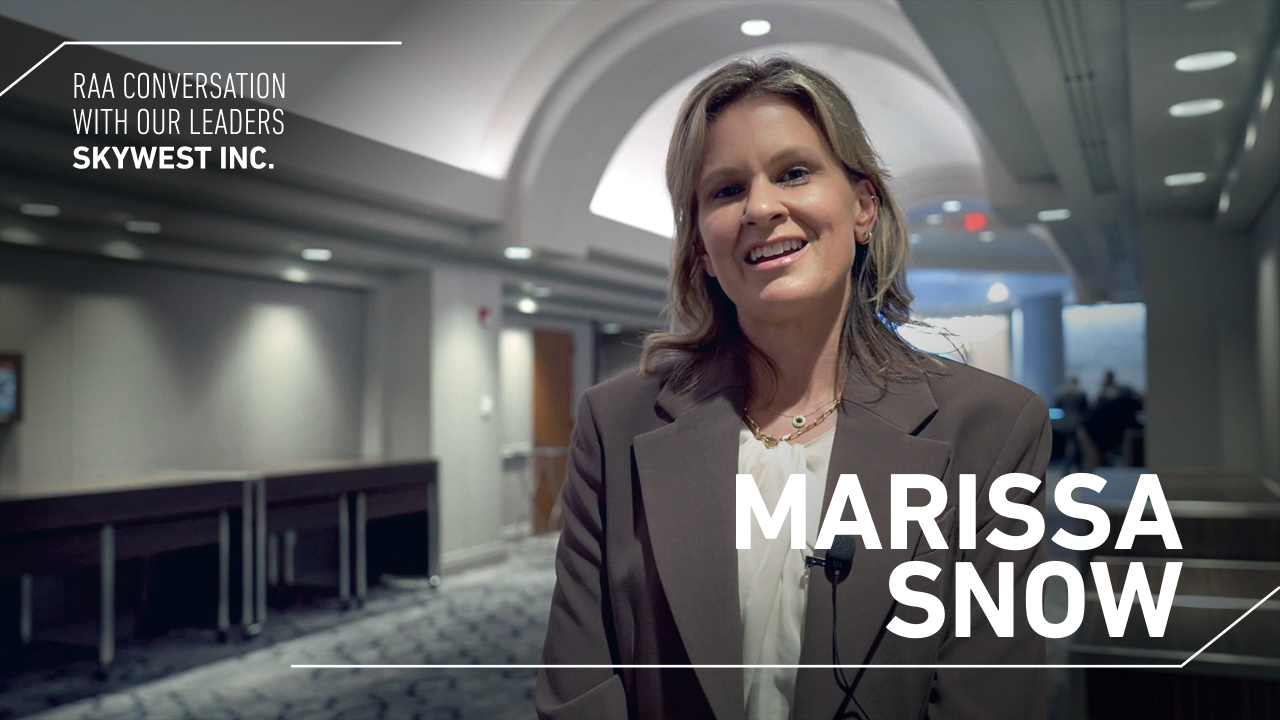
Livia: Hi, I'm Livia Hayes from Oliver Wyman Vector, here at the 2025 Aviation Technician Education Council Fly-In.
MHIRJ: What is the Pipeline Report?
Livia: Our pipeline report is something that we do in conjunction with ATEC every year. We help administer the survey that the schools take, and then we collate the results and issue the report out with findings on how the technician pipeline is doing here in the United States.
MHIRJ: What surprised you the most with this year's results?
Livia: We had a year-over-year decrease in the number of students being certificated, and also the number of people entering the industry from the military.
However, it was still a second all-time high, which is really positive. Despite those increases, we're still projecting a shortage of workers in this industry for the next decade. We're in a current shortage now, and it's projected to get worse, especially as maintenance demands increase over the next ten years as fleets grow here in the United States.
MHIRJ: The report mentions a "super cycle of maintenance," can you explain what that is?
Livia: We've entered the post-Covid era. We've now surpassed previous peaks of number of aircraft flying and also the amount that they're flying. So, what drives maintenance demand in the aviation industry is how much airplanes are flying. And we're well beyond the peaks that happened in 2019. Not only are we at new high levels, we're also still playing a little bit of catch up from maintenance that was deferred during that time.
What we say is that this year we've entered a super cycle of maintenance demand, and that is not expected to let up for any time soon.
MHIRJ: What insights have you gathered from the schools and industry?
Livia: What's interesting is that students are now going straight to large operators, where they used to go to school repair stations first and receive training, and then move on to operators later. So, there's a real juniority impact that we see with students going straight into the operators. They are less productive. It takes about 3 to 5 years for a new student to be as productive as an experienced person.
And the shortage that we're projecting is going to be driven by a large number of retirements coming. This is going to continue to be an issue for the industry going forward. What's really interesting is the work that ATEC does in order to address some of these items are really starting to pay off.
We've seen a number of certificates go up. We've seen, slowly but surely, the number of military pathway people increasing. It's really important to keep this work going.
We're projecting a large number of retirements to come even though we're passed that Covid retirement wave. So, it's going to be even more important to keep this work going forward, especially as the aviation and MRO industry tries to grow in North America.

- Log in to post comments