

HONOURING BLACK HISTORY MONTH: BUILDING PATHWAYS IN THE SKY
 24
24
)


Progress in aviation has always been powered by those willing to challenge limits and expand what’s possible. This Black History Month, we’re recognizing four pioneers whose courage, skill, and perseverance helped break boundaries in the industry.
Throughout aviation history, individuals have stepped forward not only to achieve personal milestones, but to open doors for others, including these four remarkable figures whose impact remains.
William J. Powell
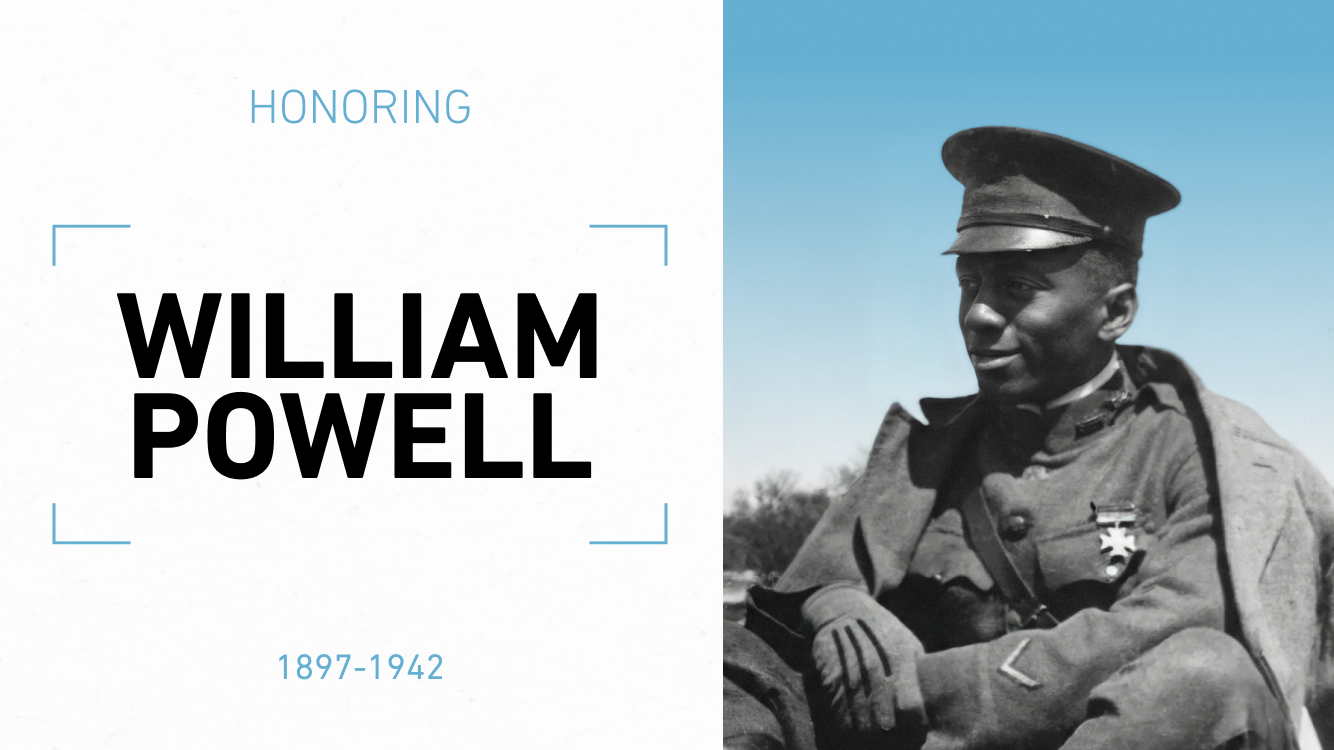
An engineer, entrepreneur, and outspoken advocate for inclusion, William J. Powell worked tirelessly to create opportunities for black Americans in aviation at a time when access was heavily restricted.
This led to him founding the Bessie Coleman Aero Club in 1929, named in tribute to the pioneering pilot who had died in an airplane accident in 1926. It provided flight training and encouragement to aspiring black pilots and mechanics.
Powell also authored Black Wings, a book dedicated to promoting aviation within the black community and challenging systemic exclusion. Through education, advocacy, and action, he helped inspire a generation to see aviation not as an impossibility, but as a future absolutely within reach.
Mildred Hemmons Carter
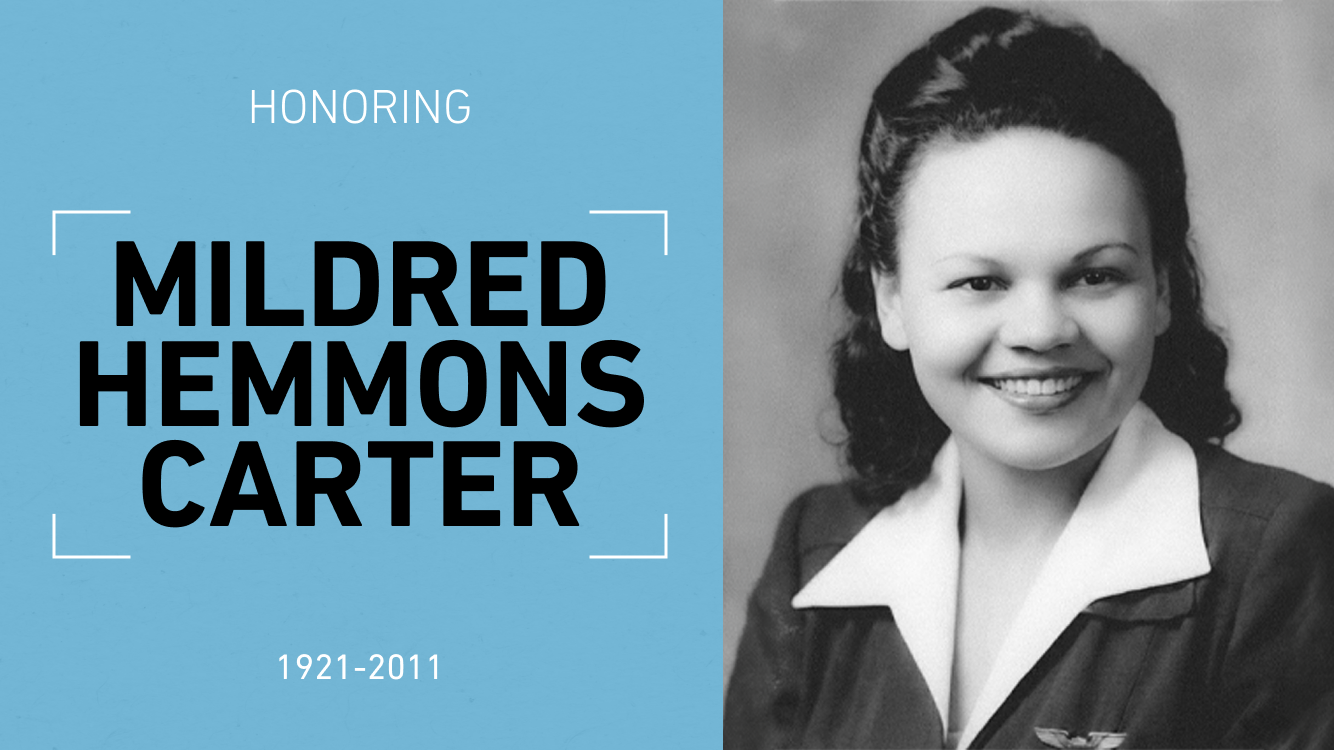
One of the first women to earn a pilot’s license through the Civilian Pilot Training Program and the first Black female pilot in Alabama, Mildred Hemmons Carter’s determination carried her forward despite barriers that limited both women and people of colour in aviation.
Aviation also shaped her personal story. At Tuskegee, she met Herbert Carter, who would go on to serve as a Tuskegee Airman. While training, the two would fly separate aircraft and signal to one another in the sky, a shared passion that marked the beginning of a lifelong partnership.
Married in 1942 at the Tuskegee Army Airfield chapel, the Carters built a life grounded in love, service, and flight, becoming known as the Tuskegee Airmen Organization’s “First Family.” Mildred’s legacy lives on not only in her achievements, but in the inspiration she continues to provide.
Marlon Green
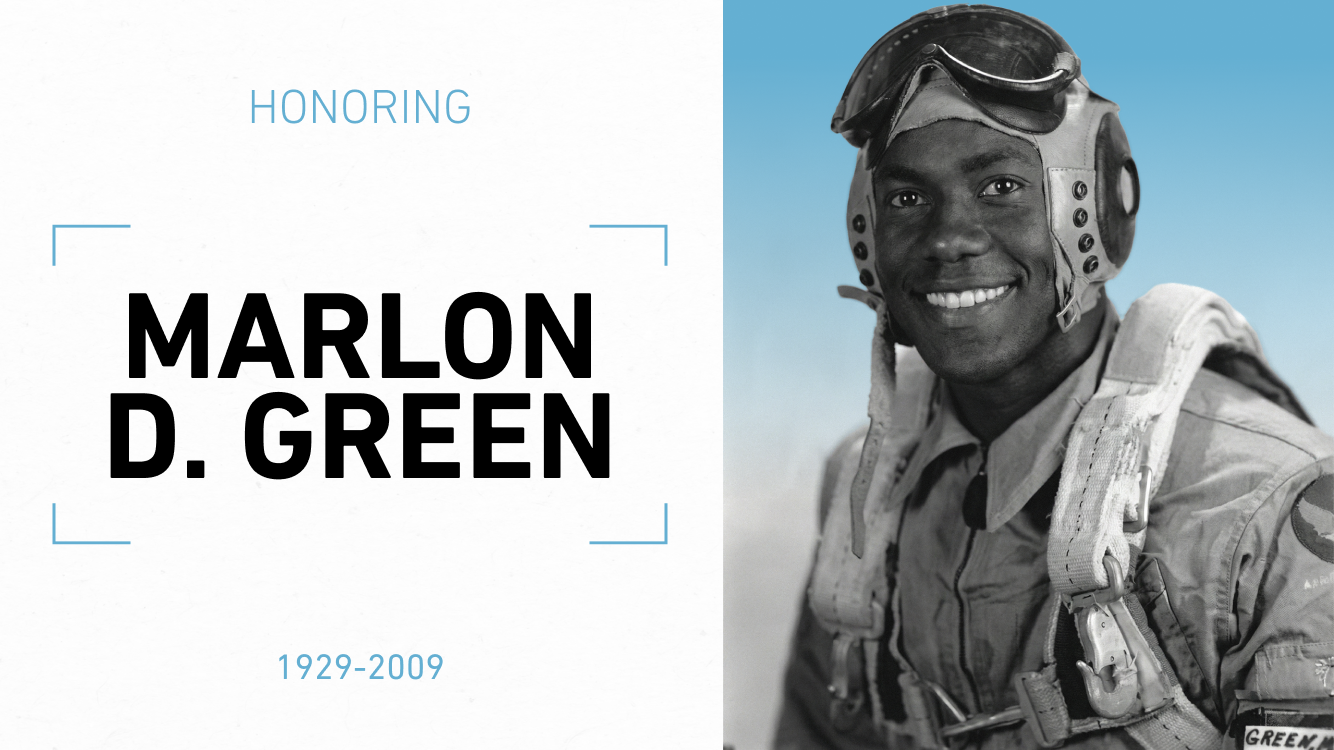
Marlon Green’s legacy is defined by his perseverance. A highly qualified pilot and former U.S. Air Force officer, Green was repeatedly denied employment by commercial airlines despite his credentials. Refusing to accept discriminatory hiring practices, he decided to challenge the system.
His landmark case reached the U.S. Supreme Court in 1963, resulting in a decision that helped dismantle racial barriers in commercial aviation hiring. Green would go on to become a captain at Continental Airlines, but his broader impact extended far beyond his own career.
His courage created meaningful change, helping pave the way for greater inclusion across the airline industry.
Charles B. Hall
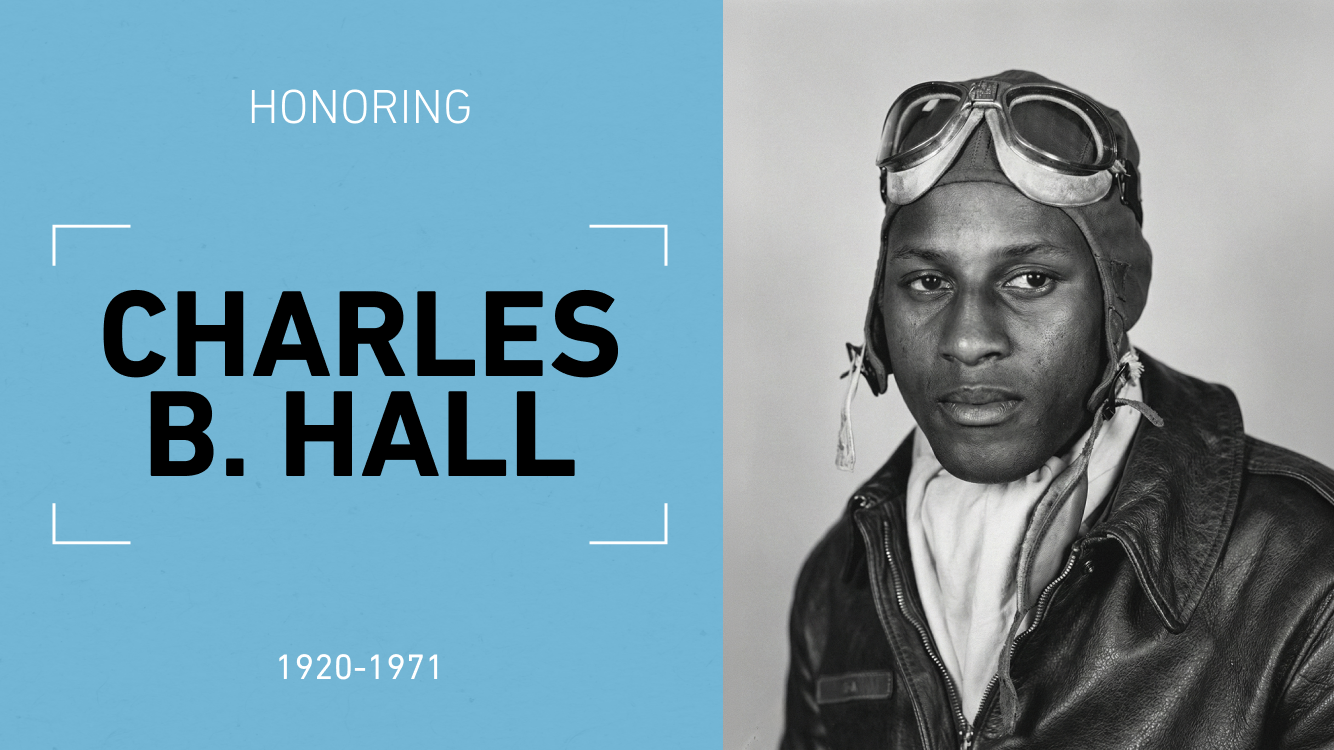
One of the early members of the Tuskegee Airmen, Charles B. Hall was a trailblazer in military aviation. During World War II, he became the first African American pilot to achieve an air combat victory, marking a historic milestone at a pivotal moment in the global conflict.
Hall’s success demonstrated both the skill and readiness of black aviators at a time when prejudice questioned their capabilities. His achievements not only strengthened the reputation of the Tuskegee Airmen, but also contributed to expanding opportunity within the U.S. military for generations that followed.
These are just some of the incredible individuals who challenged the barriers they faced, and who helped shape aviation into the industry it is today.
- Log in to post comments