

THE 2025 PIPELINE REPORT: GROWTH AND RESILIENCE IN REGIONAL AVIATION
 24
24
)


Aviation maintenance is entering a new era of expansion, with fleet growth and workforce development at the center of the industry’s progress, according to the 2025 Pipeline Report and AMTS Directory developed by the Aviation Technician Education Council (ATEC) and Oliver Wyman.
North America’s commercial air transport fleet is projected to increase by about 13% over the next decade, driven by strong passenger demand, ongoing fleet modernization, and growing utilization across regional and mainline operations.
As aircraft utilization rises, so does the demand for MRO services. The report signals an approaching MRO “super cycle,” fueled by factors like higher utilization rates and new platform introductions, which require deeper technical support. For regional aviation, this translates to greater opportunity for specialized MRO providers to ensure reliability and operational readiness across the network.
REGIONAL JETS: DRIVING NETWORK RELIABILITY
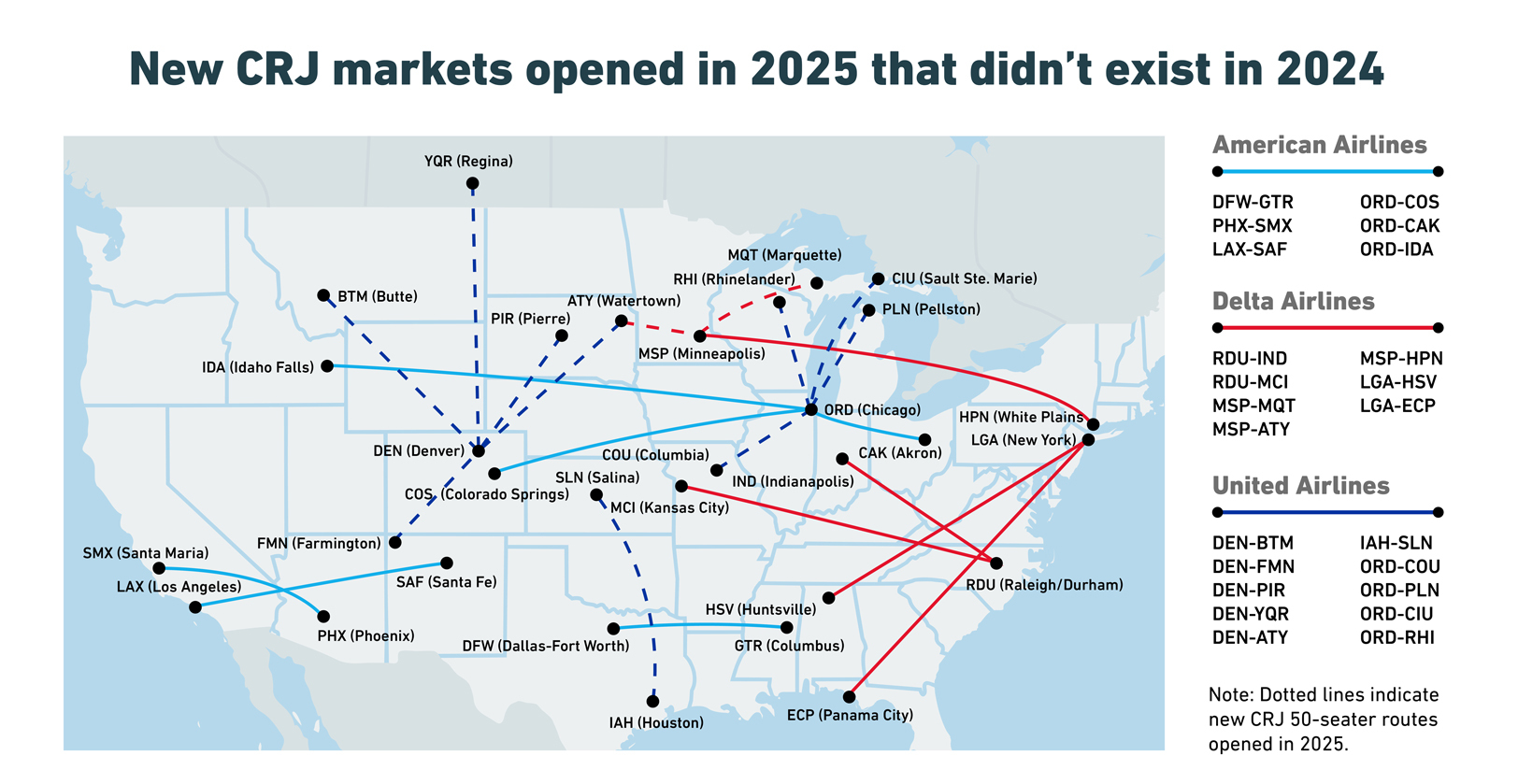
The report's findings show that regional jets remain indispensable to network efficiency. It highlights that North American airline traffic surpassed pre-pandemic levels in 2024, with regional aircraft performing a substantial share of departures and supporting route flexibility across secondary markets.
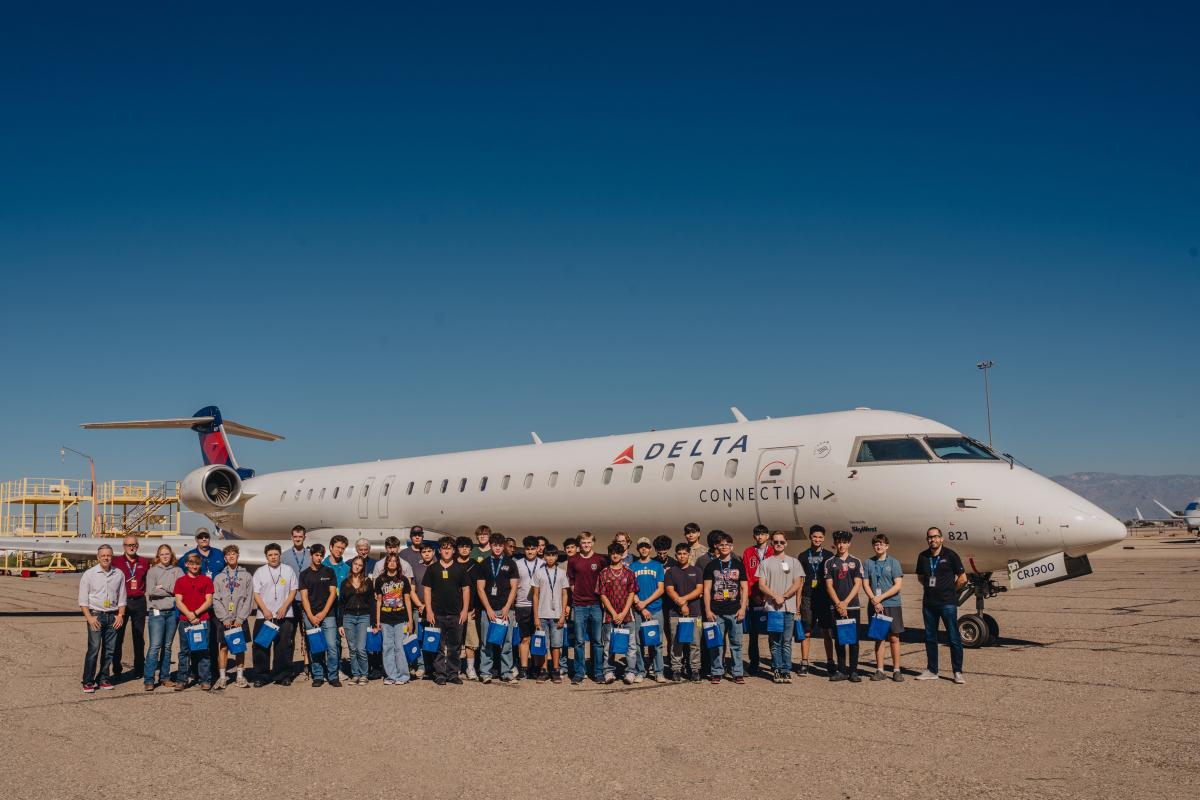
Smaller, fuel-efficient aircraft like the CRJ Series continue to provide agility for airlines to serve routes where larger aircraft are less viable. As utilization increases, regional MRO demand is expected to grow in tandem, emphasizing the value of expertise from MRO providers in maintaining performance and efficiency.
A GROWING NEED FOR TECHNICAL TALENT
Despite strong enrollment gains, the Pipeline Report forecasts a persistent technician gap as demand continues to outpace supply. North America is expected to face a 12% gap in certificated mechanics by 2027, translating to about 7,000 unfilled roles, with a total aviation maintenance workforce gap exceeding 22,000 technicians when including non-certificated workers. By 2035, the shortfall is projected to remain at roughly 4,200 certificated mechanics and over 14,000 total aviation maintenance workers.
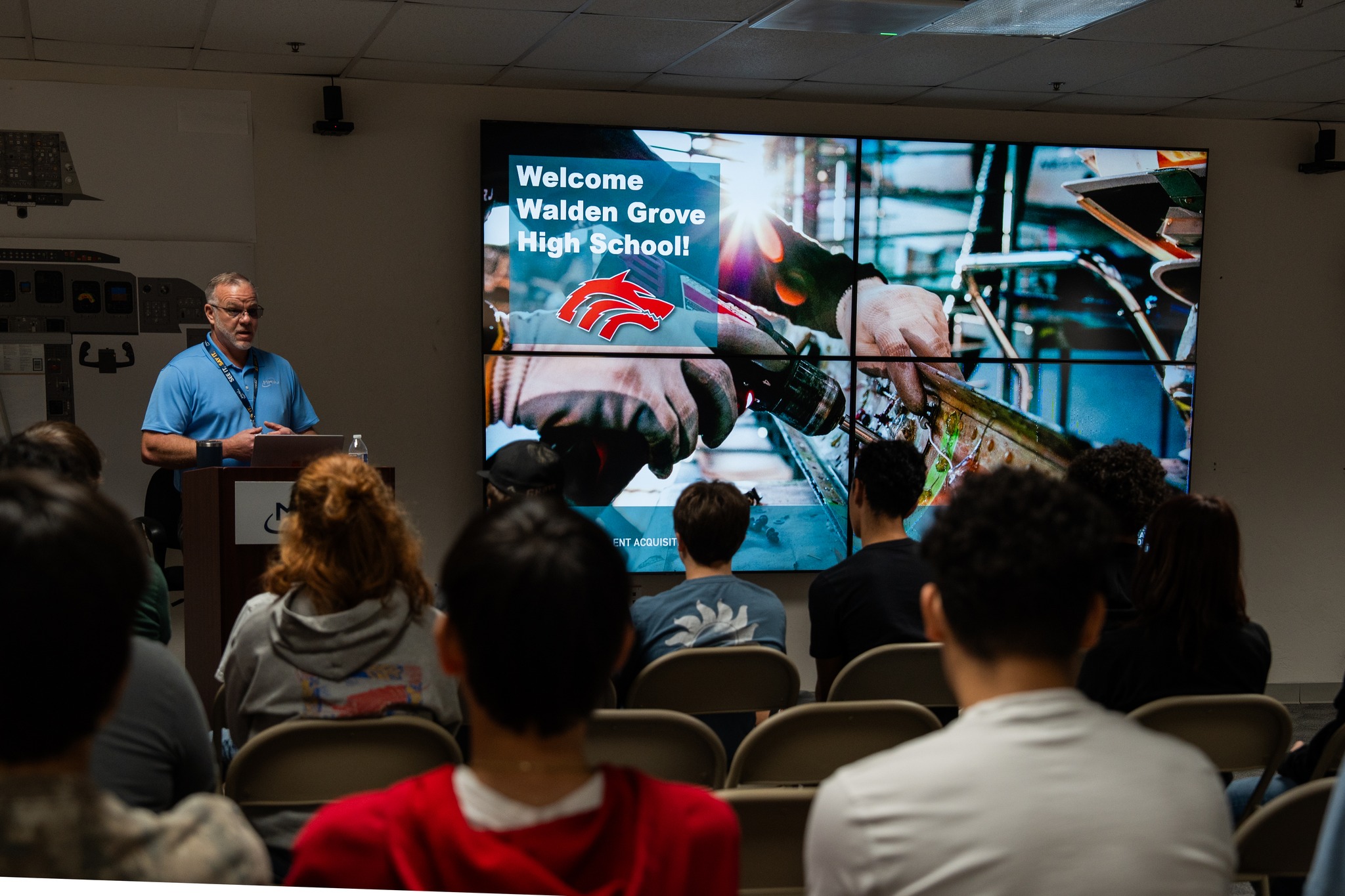
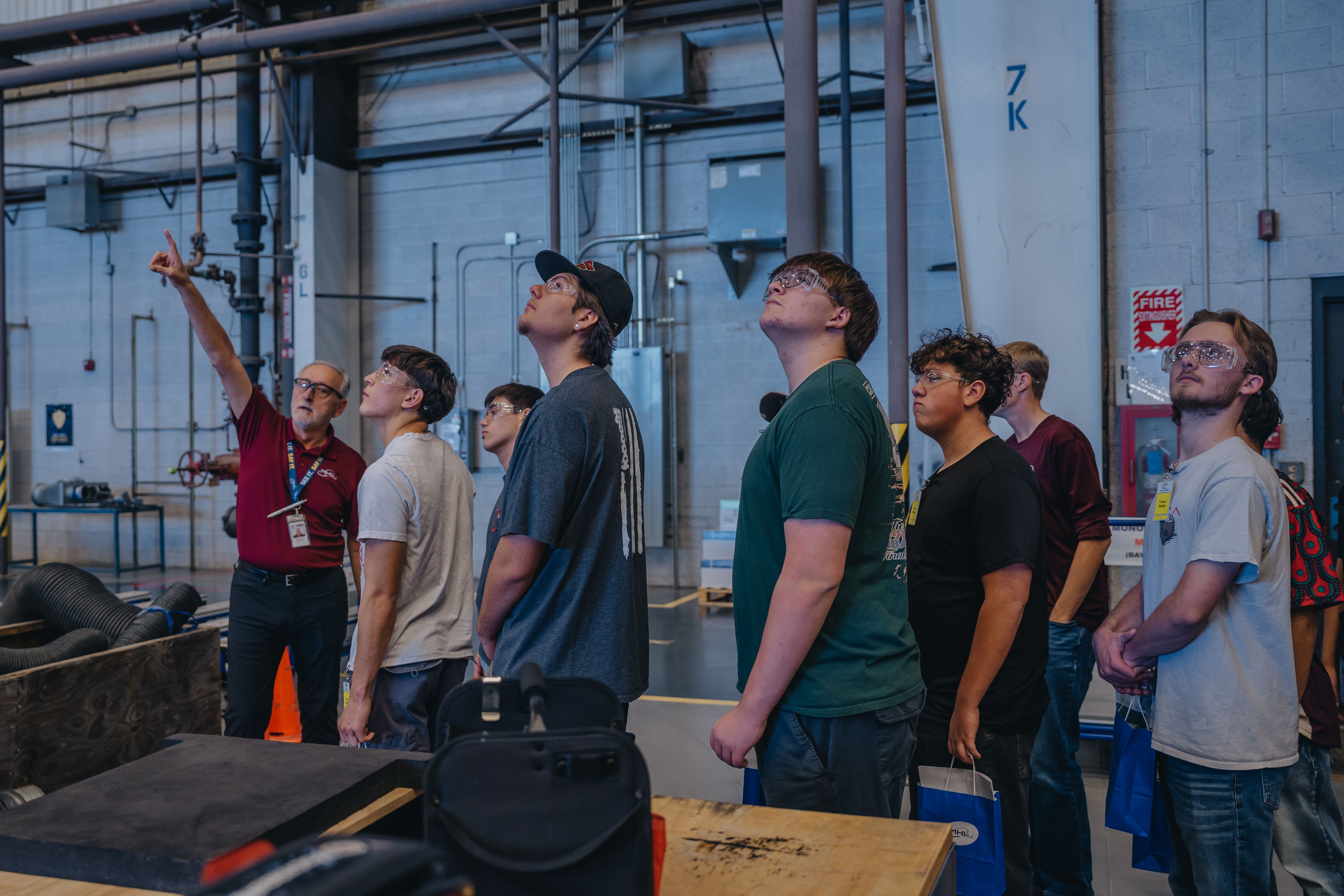
While progress is evident, AMTS enrollment rose 9.5% in 2024, and 63% of graduates earned FAA certification; capacity challenges remain. More than one-third of A&P school seats sit empty, with limited faculty, marketing, and testing resources cited as key barriers to growth. Initiatives like Choose Aerospace are showing early success, enrolling nearly 1,000 students across 17 states and expanding awareness of aviation maintenance careers among high school students.
A FOCUS ON FUTURE OPPORTUNITY
The Pipeline Report delivers a consistent message: while workforce and capacity challenges persist, the foundation for long-term growth is strong. Federal investment, expanded training programs, and increased industry collaboration are helping to close critical gaps and sustain progress.
For regional aviation, the opportunity ahead lies in readiness. This means developing skilled talent, advancing innovation, and maintaining the dependable service that keeps regional networks connected. In a growing and evolving industry, resilience remains regional aviation’s greatest strength.
- Log in to post comments